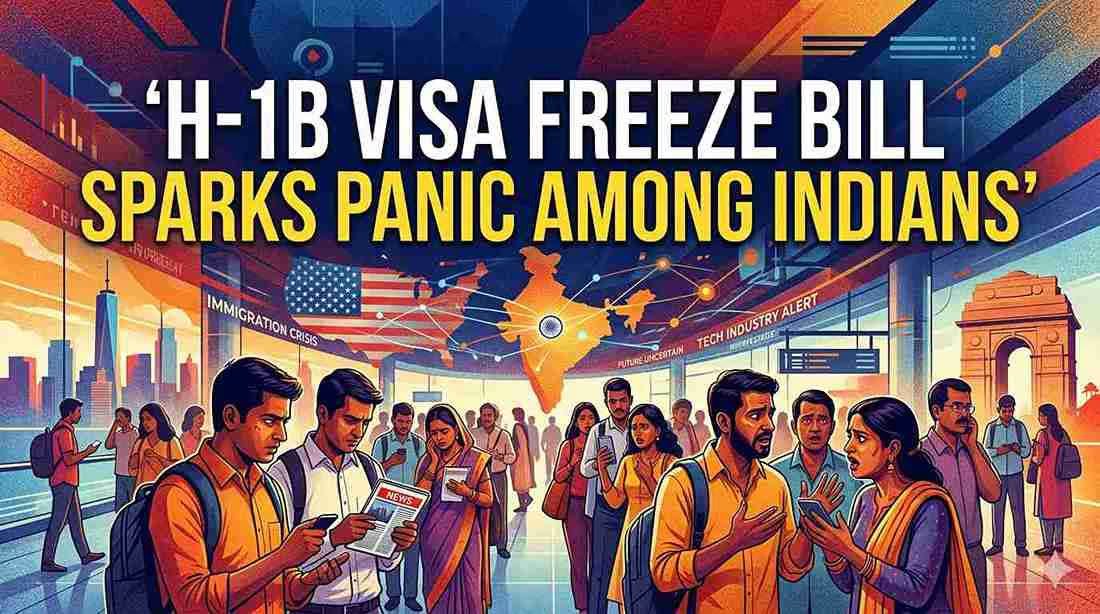
The US immigration landscape in 2026 has undergone significant changes, particularly impacting Indian professionals on H-1B visas and those pursuing employment-based Green Cards (EB-2 category). With stricter H-1B selection processes, higher costs, and ongoing backlogs for EB-2 India, understanding these rules is crucial for tech workers, engineers, doctors, and researchers from India.
This comprehensive guide covers H-1B new rules, EB-2 Green Card updates, priority dates, adjustment of status changes, and practical advice tailored for Indian applicants.
1. H-1B Visa New Rules 2026: What Changed?
The H-1B program, a lifeline for Indian IT professionals, has seen major reforms under the current administration aimed at protecting US workers while prioritizing higher-skilled talent.
Key Changes in H-1B for FY 2027 and Beyond
Weighted Selection Process (replaces random lottery): Effective February 27, 2026, USCIS shifted from a pure random lottery to a wage-weighted selection. Registrations are weighted based on the offered wage level using DOL’s OEWS (Occupational Employment and Wage Statistics):
- Wage Level IV (highest): 4× weight
- Wage Level III: 3× weight
- Wage Level II: 2× weight
- Wage Level I (entry-level): 1× weight
This strongly favors higher-paid, more experienced professionals. Entry-level roles and recent graduates face significantly lower selection chances.
$100,000 Supplemental Fee: Introduced via Presidential Proclamation in September 2025, this applies to new H-1B petitions for beneficiaries outside the US. It is valid for 12 months (until Sept 2026, potentially extendable). Exemptions are rare and limited to national interest cases. Petitions for those already in the US (extensions, changes of employer) are generally not affected.
Registration Period for FY 2027: March 4 to March 19, 2026. Registration fee is $215 per beneficiary. Selection results were announced, and the cap was reached quickly.
Other Reforms: Higher scrutiny on specialty occupation requirements, third-party placements, and compliance. Mandatory interviews in many cases and potential changes to prevailing wage rules (proposed increases of 21–33%).
Impact on Indians: India receives the majority of H-1B visas. The wage-weighted system disadvantages freshers and mid-level IT roles while benefiting senior engineers, data scientists, and AI specialists in high-paying positions.
2. EB-2 Green Card New Rules & Backlogs for India (2026)
EB-2 is the most popular employment-based Green Card category for Indians with advanced degrees or exceptional ability. However, per-country limits (7% cap) cause massive backlogs.
Current Visa Bulletin Status (as of May/June 2026)
- EB-2 India Final Action Dates: Severe retrogression. Dates have moved backward in recent bulletins (e.g., around September 2013 in some months), with periods of "unavailable" status when annual limits are exhausted.
- Dates for Filing: Slightly better, often allowing I-485 filing earlier (e.g., around January 2015 in April 2026 bulletins).
- Expect limited movement until the new fiscal year (October 2026), when visa numbers reset. Spillover from other categories may help modestly.
Wait Times: For EB-2 India, applicants with priority dates in 2013–2015 are still waiting 10+ years. Newer applicants could face 12–15+ year waits without reform.
Recent EB-2 Policy Changes
- Adjustment of Status (AOS) Restrictions: In May 2026, USCIS issued a memo emphasizing that AOS (Form I-485) while in the US is "extraordinary relief." Most applicants, including H-1B holders, may now need to return to their home country for consular processing, except in rare cases. This increases risks of visa denial, travel complications, and family separation.
- Premium Processing for EB-2 NIW: Available for National Interest Waiver petitions. USCIS acts on I-140 within 45 business days for a fee of ~$2,965. This speeds up I-140 approval but does not affect visa bulletin wait times.
- EB-2 NIW Eligibility: Strong for STEM professionals, researchers, entrepreneurs whose work has national importance (e.g., AI, healthcare, renewable energy). No job offer or labor certification (PERM) required if criteria are met.
3. Green Card Process: Step-by-Step for H-1B Holders
- I-140 Petition (Immigrant Petition): employer-sponsored or self-petition via NIW.
- Priority Date Establishment: date I-140 is filed.
- Wait for Visa Availability: check monthly Visa Bulletin.
- I-485 Adjustment or Consular Processing — increasingly pushed toward consular processing.
- Final Green Card Approval.
Total Timeline: 1–3 years for I-140 + 10+ years wait for Indians in EB-2.
4. Practical Tips for Indian Professionals in 2026
- For H-1B: aim for high-wage offers. Document advanced skills clearly. Consider cap-exempt employers (universities, nonprofits).
- For Green Card: explore EB-1 if eligible (extraordinary ability). Strengthen NIW cases with publications, citations, letters from experts. File I-140 early to lock priority date.
- Maintain Status: avoid travel risks if AOS is pending. Use H-1B extensions wisely.
- Alternatives: consider O-1, L-1, or EB-1A for faster paths.
- Consult experts — work with experienced immigration attorneys due to frequent policy shifts and increased enforcement.
Conclusion: Navigating Uncertainty in US Immigration 2026
The new H-1B rules favor experienced, high-earning talent, while EB-2 Green Card backlogs remain a major challenge for Indians. Staying informed, preparing strong applications, and exploring NIW or premium processing where possible can improve outcomes.
Monitor the official USCIS Visa Bulletin, USCIS.gov, and consult a qualified attorney for personalized advice. Policies can change rapidly.
Disclaimer: This article is for informational purposes only and not legal advice. Dates and rules are accurate as of late May 2026.