Tulsi Pooja Vidhi for NRIs – How to Worship the Sacred Basil Plant Abroad
For Non-Resident Indians (NRIs) living across the globe, staying connected to cultural roots and spiritual traditions is deeply meaningful. One such timeless practice is Tulsi Pooja , the worship of the sacred basil plant, revered in Hinduism as a symbol of purity, devotion…
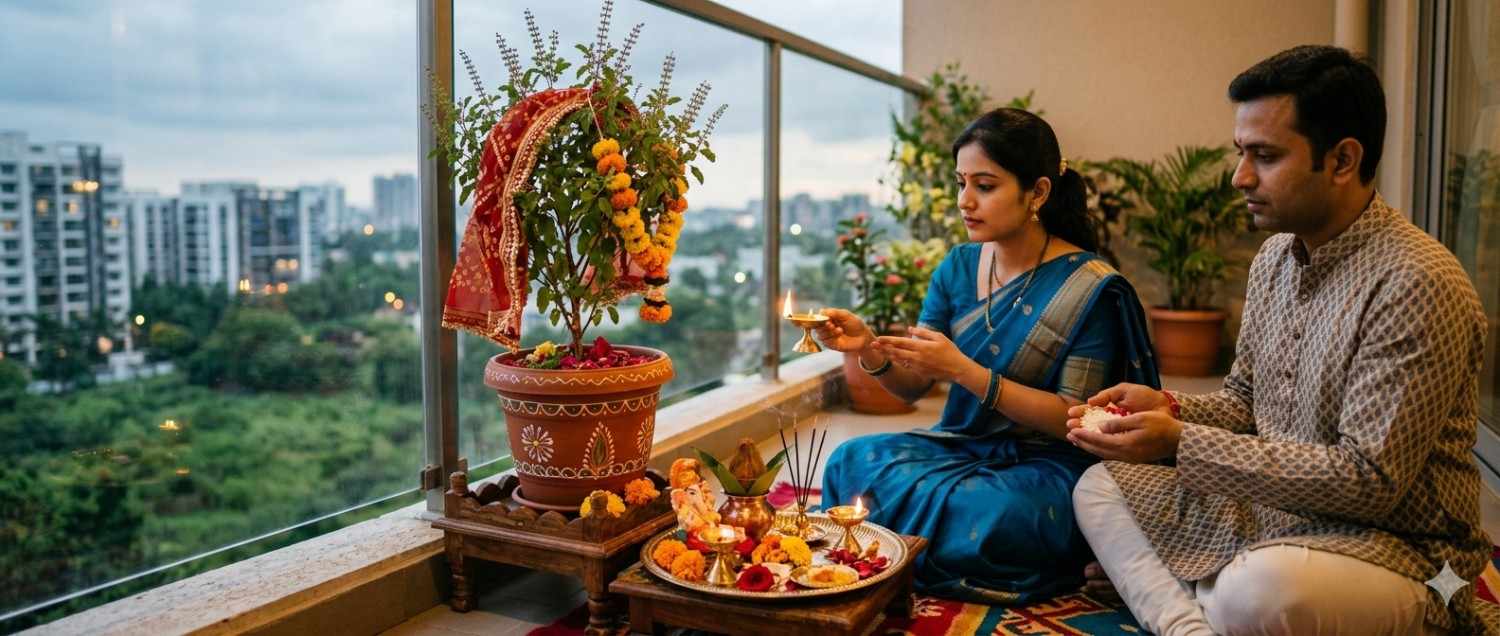
For Non-Resident Indians (NRIs) living across the globe, staying connected to cultural roots and spiritual traditions is deeply meaningful. One such timeless practice is Tulsi Pooja, the worship of the sacred basil plant, revered in Hinduism as a symbol of purity, devotion, and divine blessings.
Even while living far from India, performing Tulsi Pooja at home helps create a spiritual environment filled with peace, positivity, and prosperity.
Why Tulsi is Sacred in Hindu Tradition
Tulsi is not just a plant—it is considered a divine presence:
- Regarded as a form of Goddess Lakshmi
- Beloved of Lord Vishnu and Lord Krishna
- Symbol of purity, protection, and positive energy
- Known for both spiritual and medicinal benefits
For NRIs, nurturing a Tulsi plant at home is like bringing a piece of Indian spirituality into daily life.
Tulsi Pooja for NRIs – Adapting Tradition Abroad
Living in countries with different climates and lifestyles may pose challenges, but Tulsi Pooja can be easily adapted:
- Grow Tulsi indoors near sunlight or on a balcony
- Use a small pot or planter if space is limited
- If fresh Tulsi is unavailable, keep a Tulsi photo or dried leaves for symbolic worship
- Maintain a clean and peaceful पूजा space
The essence of devotion matters more than elaborate rituals.
Best Time to Perform Tulsi Pooja
NRIs can perform Tulsi Pooja based on their local time:
- Morning after sunrise
- Evening during sunset
- Special occasions like Ekadashi, Kartik month, or weekends for convenience
Consistency and devotion are key, even in a busy lifestyle.
Tulsi Pooja Vidhi – Simple Steps at Home
Follow this easy step-by-step method suitable for modern NRI homes:
1. Prepare the Space
- Clean the area around the Tulsi plant
- Light incense or use essential oils if incense is not allowed
2. Light a Diya or Candle
- Use a traditional diya or a candle
- Symbolizes light over darkness
3. Offer Water
- Pour a small amount of water to the plant roots
- Represents care and devotion
4. Apply Kumkum (Optional)
- Apply kumkum or simply offer flowers if available
- Keep rituals simple if materials are limited
5. Pray with Devotion
- Fold hands and express gratitude
- Seek blessings for family, health, and prosperity
6. Parikrama (Circumambulation)
- Walk around the plant 3 or 5 times (if space allows)
- Or mentally offer respect
7. Aarti or Silent Prayer
- Sing a short aarti or meditate quietly
- Even a minute of sincere prayer is powerful
Tulsi Mantras for Daily Chanting
Tulsi Pranam Mantra
“Tulsi Shri Sakhi Shubhe, Paapaharini Punyade
Namaste Naradanute, Narayan Manah Priye”
Tulsi Gayatri Mantra
“Om Tulasyai Vidmahe
Vishnu Priyai Dheemahi
Tanno Vrinda Prachodayat”
Simple Daily Chant
“Om Tulsi Devyai Namah”
Perfect for busy NRI schedules—chant anytime, anywhere.
Benefits of Tulsi Pooja for NRIs
Practicing Tulsi Pooja abroad brings both spiritual and emotional benefits:
- Creates a positive and peaceful home environment
- Helps maintain a connection to Indian culture and roots
- Reduces stress and promotes mindfulness
- Invites prosperity, health, and divine protection
- Instills values in the younger generation
Practical Tips for NRIs
- Protect the plant from extreme cold (use indoor placement in winter)
- Use grow lights if sunlight is limited
- Follow local guidelines for candles/incense
- Do not worry about perfection—focus on devotion
Devotional Reflection
In a foreign land, where everything may feel new and different, the presence of Tulsi brings a sense of belonging and spiritual comfort.
As you light a small diya beside the plant, it becomes more than a ritual—it becomes a bridge between tradition and modern life, between India and the world.
Conclusion
Tulsi Pooja is a simple yet powerful way for NRIs to stay spiritually connected, no matter where they live. With minimal resources and sincere devotion, this sacred practice can transform any home into a space of peace, positivity, and divine grace.
Let Tulsi Devi bless your home with harmony, prosperity, and spiritual strength.
Om Tulsi Devyai Namah