Why US Chose Pakistan in Iran Conflict Explained
As Non-Resident Indians (NRIs) following global affairs closely from the US, UK, Canada, Australia, and the Gulf, many of you have been tracking the fast-moving developments in the US-Iran conflict of 2026 . One question keeps coming up in family WhatsApp groups and community dis…
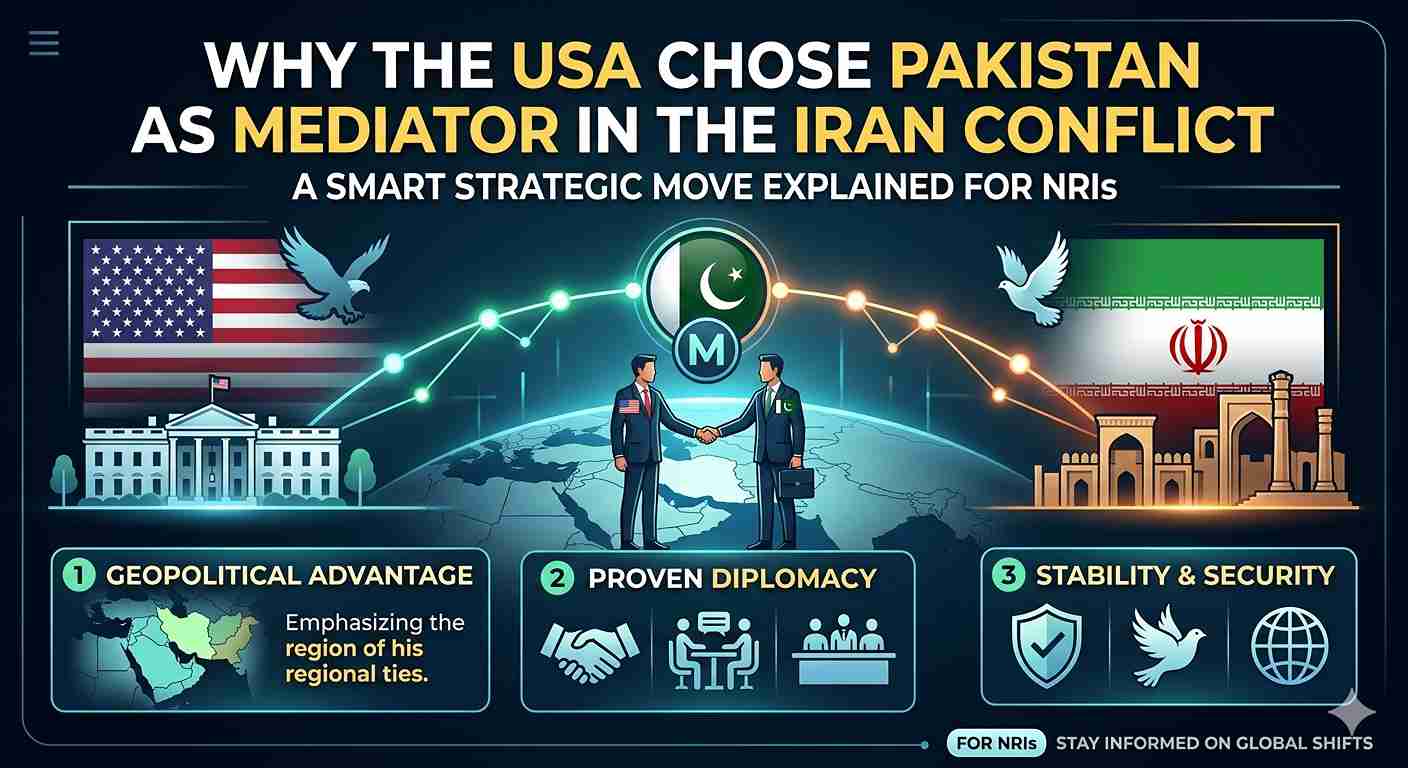
As Non-Resident Indians (NRIs) following global affairs closely from the US, UK, Canada, Australia, and the Gulf, many of you have been tracking the fast-moving developments in the US-Iran conflict of 2026. One question keeps coming up in family WhatsApp groups and community discussions: Why did the United States pick Pakistan as the key mediator between Washington and Tehran?
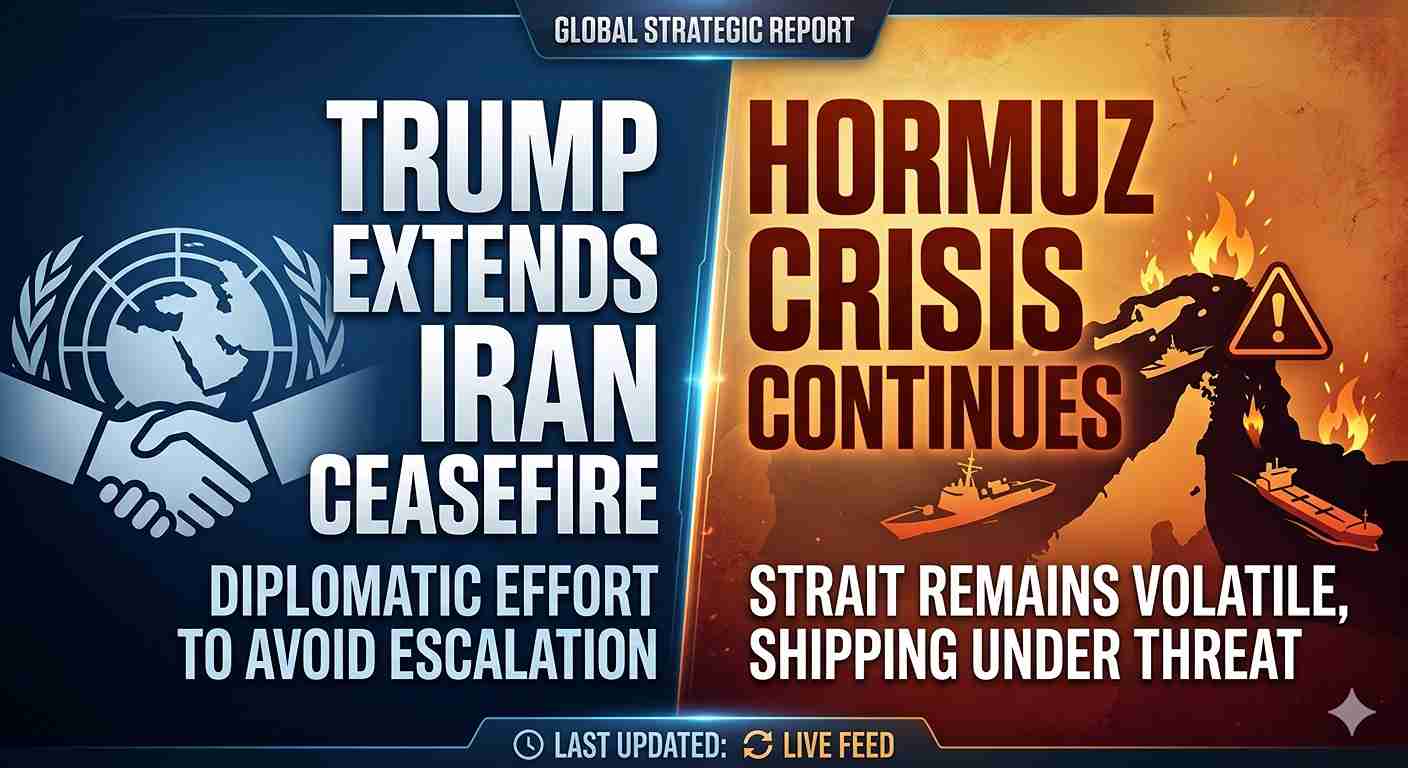
The answer lies in pragmatic diplomacy, geography, personal relationships, and Pakistan’s unique position to deliver results. Thanks to Pakistan’s facilitation, a two-week ceasefire has been achieved, with direct US-Iran talks scheduled to begin in Islamabad on April 10, 2026. This development directly impacts oil prices, global stability, and the safety of millions of Indians and NRIs working in the Gulf region.
Background: How Pakistan Stepped In as Mediator
After weeks of intense US and Israeli strikes on Iranian targets, President Donald Trump set a firm deadline for Iran to reopen the Strait of Hormuz or face further action. At this critical moment, Pakistan actively offered to bridge the gap. Pakistani Prime Minister Shehbaz Sharif and Army Chief Field Marshal Asim Munir engaged both sides, passing messages and helping secure a temporary pause in hostilities.
President Trump publicly acknowledged the role of conversations with Pakistani leadership in his decision to suspend escalated bombing, conditional on Iran keeping the vital oil passageway open and safe.
For NRIs with roots in India, this is particularly noteworthy. While India maintains strong strategic ties with the US, Israel, and Gulf nations, Pakistan’s involvement highlights how regional players can influence outcomes that affect energy security and Indian diaspora communities across the Middle East.
6 Key Reasons Why the USA Chose Pakistan as Mediator
Here’s a clear, NRI-friendly breakdown of why Washington found Pakistan a practical and effective choice:
- Direct Access to Both Washington and Tehran Pakistan shares a long 900+ km border with Iran and maintains functional diplomatic and security channels with Tehran. At the same time, its ties with the US have improved significantly under the second Trump administration. This dual connectivity made Pakistan one of the few countries able to carry credible messages between the two adversaries.
- Strong Personal Rapport with President Trump Field Marshal Asim Munir has built a close working relationship with President Trump, who has referred to him as his “favorite Field Marshal.” Pakistan supported Trump’s earlier peace efforts (including nominating him for the Nobel Peace Prize after India-Pakistan de-escalation). This personal trust opened fast communication channels that traditional mediators sometimes lack.
- Geographic Proximity and Neutral Ground Unlike Qatar or Oman (which host large US bases and faced direct Iranian threats), Pakistan was not under direct attack. Its location next to Iran gave it better understanding of Iranian sensitivities while remaining acceptable as a venue. Hosting talks in Islamabad provides a relatively neutral and logistically convenient setting.
- Balanced Regional Connections Pakistan has strong ties with Saudi Arabia (recent defense pact), close economic links with China (CPEC and energy interests), and functional relations with Iran. This network allows it to influence multiple stakeholders and align interests around de-escalation — something that benefits global oil flow and NRI safety in the Gulf.
- Pakistan’s Proactive Diplomacy Islamabad aggressively positioned itself for this role by cultivating ties with the Trump team and offering backchannel support. In a situation where many traditional Middle East mediators were constrained, Pakistan stepped up willingly.
- Shared Interest in Preventing Wider Chaos Pakistan itself relies heavily on oil passing through the Strait of Hormuz and has stakes in regional stability. Mediating successfully helps protect its own economy while earning diplomatic goodwill with the US.
What This Means for NRIs and the Indian Diaspora
- Energy and Economy: A stable Strait of Hormuz means steadier oil prices and lower fuel costs worldwide — good news for remittances, investments, and cost of living.
- Safety of Diaspora: Over 9 million Indians live and work in the Gulf. Reduced escalation lowers risks to their jobs and well-being.
- Geopolitical Insight: For Indian-origin professionals in tech, finance, and business, understanding these shifts helps in assessing global risks and opportunities.
- India’s Position: While India is not directly involved in the mediation, strong US-India ties under Trump continue to provide strategic comfort. New Delhi maintains its independent foreign policy while benefiting from any de-escalation.
Looking Ahead: Talks in Islamabad
With US-Iran negotiations set to start in Pakistan’s capital, the coming weeks will be crucial. The US is expected to push for curbs on Iran’s nuclear program and regional proxy activities, while Iran will seek sanctions relief and security guarantees.
Pakistan’s role as facilitator gives America a useful communication bridge without appearing weak. It also showcases how smart diplomacy — combining strength with practical partnerships — can serve larger interests.
For the global Indian community, this is a reminder that in today’s interconnected world, developments in distant capitals like Islamabad can quickly affect our lives, businesses, and families back home or abroad.
Stay informed, stay safe, and keep watching how this story unfolds.